

Blog Charity Golf
Charity GolfHow to Plan a Charity Golf Tournament: 8 Steps to Raise More Money
Six to nine months of planning can turn a golf tournament into one of your nonprofit's most reliable fundraisers. Here's the timeline, team, budget and day-of plan.

Six to nine months of planning and careful budgeting can turn a golf tournament into one of your nonprofit's most reliable revenue sources. This guide covers timeline, team structure, budget, format, sponsorships, marketing, revenue activities and event-day logistics. For the month-by-month version, the free 6-Month Planning Guide breaks the work into nine timed phases, and the Charity Golf Event Playbook covers six phases and 18 steps.
How Much Lead Time You Need
First-time organizers need six to nine months to secure a course, recruit sponsors, and market without rushing. That window gives you time to research courses, build sponsorship packages, and promote to your donor list.
Established events can work with four to five months if the committee returns and core relationships exist. When sponsor commitments, a registered player base, and venue relationships are already in place, planning moves faster.
Course availability drives the timeline. Popular dates book early, especially spring and fall. Desirable courses in high-demand seasons fill up well in advance. Wait too long and you get stuck with a Monday morning slot or a course outside your budget.
Three months is the absolute minimum for a small event with limited guests and modest fundraising goals. Anything shorter forces compromise on venue, sponsorship outreach, or player recruitment.
Running an established event and wondering why it plateaued? The free Charity Golf Scaling Assessment (opens in a new tab) shows which growth phase your tournament is in and its number one constraint.
Build Your Planning Committee and Assign Clear Roles
A tournament chair coordinates the committee and owns the timeline and fundraising goal. This person keeps everyone on track, makes final decisions, and serves as the main contact with the golf course.
A sponsorship lead manages outreach, packages, and fulfillment. Sponsorships typically represent a significant portion of total revenue. This person tracks commitments, sends invoices, coordinates logo files, and ensures every sponsor gets what they paid for.
A golfer registration coordinator handles marketing, player recruitment, and communication. This person manages the registration page, answers questions about format and schedule, and sends reminder emails.
A volunteer coordinator recruits hole monitors, check-in staff, and day-of support. You need volunteers at registration, on the course, at contest holes, and during awards. One person should own this entire pipeline.
An event-day manager runs logistics from setup through awards. While other committee members network with sponsors and thank golfers, this person coordinates with course staff, directs volunteers, handles problems, and keeps the schedule moving.
Set a Fundraising Goal and Build a Realistic Budget
Start with your net revenue target, then work backward. If you want to net a certain amount and you estimate your margins, you can calculate the total revenue needed from golfer registration and sponsorships.
Course fees, food and beverage minimums, insurance, and signage are your largest expenses. Course fees and food and beverage costs vary by venue and region. Insurance, contest prizes, printing, and signage add to the total.
Registration fees vary based on what you include. At the lower end, golfers get green fees, a cart, and lunch. At the higher end, add range balls, a gift bag, drinks on the course, and dinner. Price registration to cover direct costs plus contribute to overhead. A premium VIP tier on top of standard registration is one of the easiest ways to raise more per player; the VIP Package Playbook shows how to build and price one.
Sponsorships should cover a substantial portion of your total revenue for strong margins. Golfer registrations have hard costs attached. Sponsorships are nearly pure profit after signage and fulfillment.
The free Fundraising Calculator puts revenue, expenses and sponsorships in one place and shows the projected net to charity against your goal.
Build in a contingency line of ten to fifteen percent. Something always comes up: extra meals, weather forcing you to add a tent, another round of signage. A contingency line protects your fundraising goal.
Choose Your Course, Date, and Tournament Format
Scramble format is easiest for mixed skill levels and keeps pace moving. Every player hits, the team picks the best ball, everyone plays from that spot. Weaker golfers stay engaged, strong players feel helpful, foursomes finish in a reasonable time.
Pick a course with banquet space, accessible parking, and staff experienced in hosting tournaments. You want a venue that handles registration, meals, and awards in one location. Experienced staff solve problems before you notice them.
Avoid summer heat in warmer climates and schedule around major holidays, local festivals, and competing golf events. Check the local event calendar. A scheduling conflict splits your potential audience.
Negotiate your contract to include practice range access, beverage cart service, and scorecards. Some courses charge extra for range balls or limit beverage cart availability. Get everything in writing.
Confirm whether the course allows outside vendors for photo booths, games, or custom merchandise. Some facilities have exclusive vendor contracts or prohibit outside entertainment. Know the restrictions before you make promises.

Create Sponsorship Packages That Deliver Value
Title sponsors receive prominent logo placement, speaking opportunities, and a foursome. Their name goes on every piece of marketing, they get a table at registration, recognition during awards, and golfers included. Only one title sponsor.
Hole sponsors get signage at a tee box or green and recognition in all materials. Easy to sell, especially to local businesses wanting visibility without major investment. Eighteen holes means eighteen opportunities.
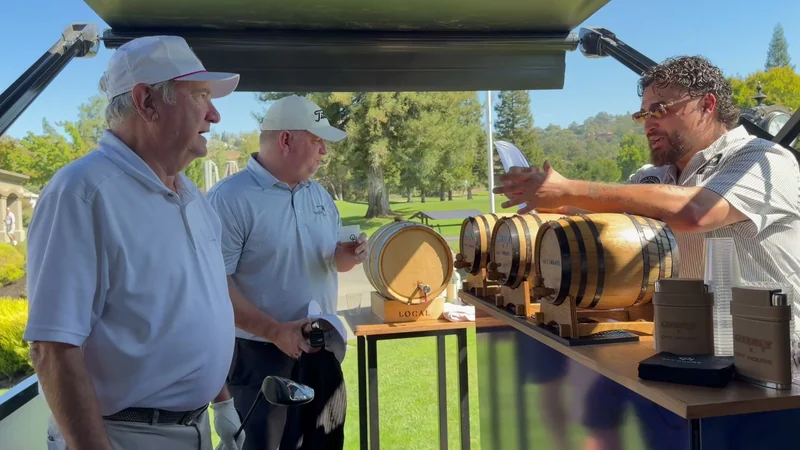
Beverage cart, range, and meal sponsors work well for local businesses. These sponsors get naming rights to a specific experience.
Structure packages with clear deliverables. List every benefit: logo on website, recognition in emails, signage specifications, social media posts, number of golfers included. Vague promises create disappointment. Specific lists create satisfied sponsors who renew. The Charity Golf Sponsorship Playbook shows how to sell sponsor-owned experiences instead of tee signs, with talk tracks and email templates.
Offer multi-year commitments at a discount to build recurring revenue. A sponsor who commits for multiple years at a discount gives you revenue certainty and saves hours of outreach.
Market the Event and Drive Golfer Registration
Email your existing donor list first. They already support your mission and are most likely to register or sponsor.
Use your board and committee networks to reach golfers and business owners who may not know your organization. Every committee member should email their personal network, post on social channels, and make direct asks. Personal invitations convert better than mass marketing.
Create a simple registration page with clear pricing, format details, and a mission reminder. Make it easy to register as an individual or team. Include the schedule, what registration includes, and a short paragraph about your nonprofit's work.
Post on social media with course photos, sponsor shoutouts, and mission stories. Show behind-the-scenes planning, thank sponsors publicly, share stories about the people you serve. This keeps your event top of mind and gives sponsors visibility.
Send reminder emails two weeks out, then three days before. Include parking instructions, start times, weather contingency plans, and what golfers need to know. These reminders reduce day-of questions and no-shows.
Add Revenue-Generating Activities and Contests
Mulligans, raffle tickets, and 50-50 drawings are easy add-ons golfers buy at registration or during play. Mulligans can be sold with a limit per player. Raffle tickets are another option. A 50-50 drawing requires almost no work and generates pure profit.
Hole-in-one contests create excitement and can be insured for large prizes without risk to your budget. Pay for insurance, promote a large prize at a par-three hole, the insurance company pays out if someone makes the shot.
Live and silent auctions work best when items connect to your mission or appeal to golfers. A foursome at an exclusive private club, a golf trip, lessons with a local pro, or experiences tied to your nonprofit's work all perform well. Generic gift baskets do not.
Putting contests and closest-to-the-pin challenges add fun without slowing pace. Set up a putting contest before the round or during registration. Mark closest-to-the-pin holes on par threes and announce winners at awards. Charge a small entry fee or include it in registration. If you'd rather not staff contests with volunteers, our putting contest and air cannon are run by our team at charity events, and the Good Girl Showdown is a beat-the-pro contest built to raise more, about $6,500 on average.
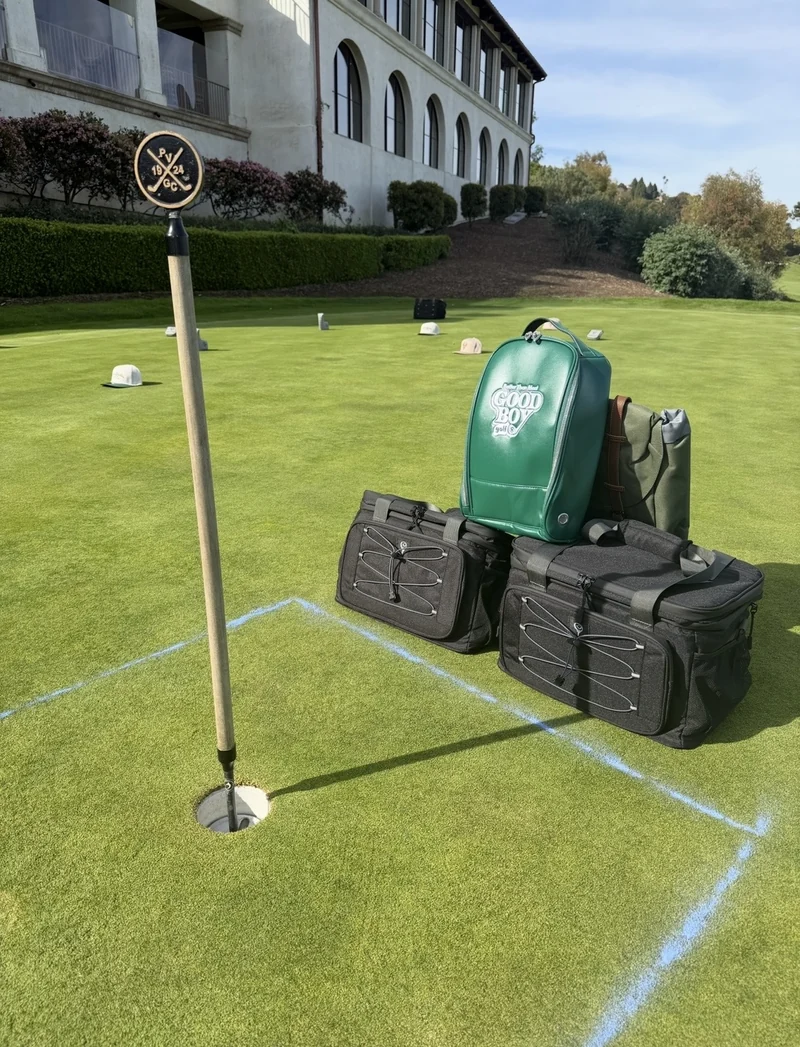
Custom swag like logo balls, towels, or divot tools generates goodwill and keeps your brand visible after the event. Golfers use these items for months or years. Quality swag also justifies higher registration fees. Start with the Player Gift Budget Calculator and, for apparel, the Player Sizing Calculator.

Plan Event Day Logistics From Setup to Awards
Arrive early to place sponsor signage, set up registration tables, and coordinate with course staff. Give yourself at least two hours before check-in opens. Walk the course to confirm hole sponsor signs are placed correctly, set up registration with name tags organized by team, do a final check with the course on cart assignments and meal timing.
Assign volunteers to every station: check-in, raffle tickets and mulligans, contest holes, photos, setup and breakdown. A volunteer at each key station keeps lines moving and problems small.
Use a simple scoring method like a mobile app or paper cards. Complicated systems create delays and confusion. A basic scramble only requires one score per team. Collect scorecards as teams finish, verify scores, identify winners quickly.
Keep the awards program short with team recognition, sponsor thank-yous, and a brief mission moment. Thank title and major sponsors by name. Recognize winning teams and contest winners. Share one short story about your nonprofit's impact. Then let people leave. Long awards programs kill energy and hurt next year's attendance.
Capture photos and testimonials during the event for next year's marketing and sponsor reports. Assign someone to photograph teams, sponsors, and key moments. Ask sponsors and golfers for quick testimonials. This content makes next year's marketing easier and sponsor fulfillment more professional. Good Boy Productions can film the day and deliver event video and photos that showcase your sponsors.
Plan Your Golf Event With Good Boy Golf
Whether you're organizing your first charity tournament or improving an established one, Good Boy Golf brings the details that turn a standard golf day into something players remember: the Players Lounge for check-in, gifting and hospitality, on-course contests, custom player gifts and event video. See everything we do for charity golf, or browse every free planning tool on our resources page.