

Blog Charity Golf
Charity GolfCharity Golf Tournament Ideas That Actually Raise Money
The best charity golf tournaments combine fun gameplay, smart sponsorship design and revenue at every hole. Here are the ideas that work for committees of any size.
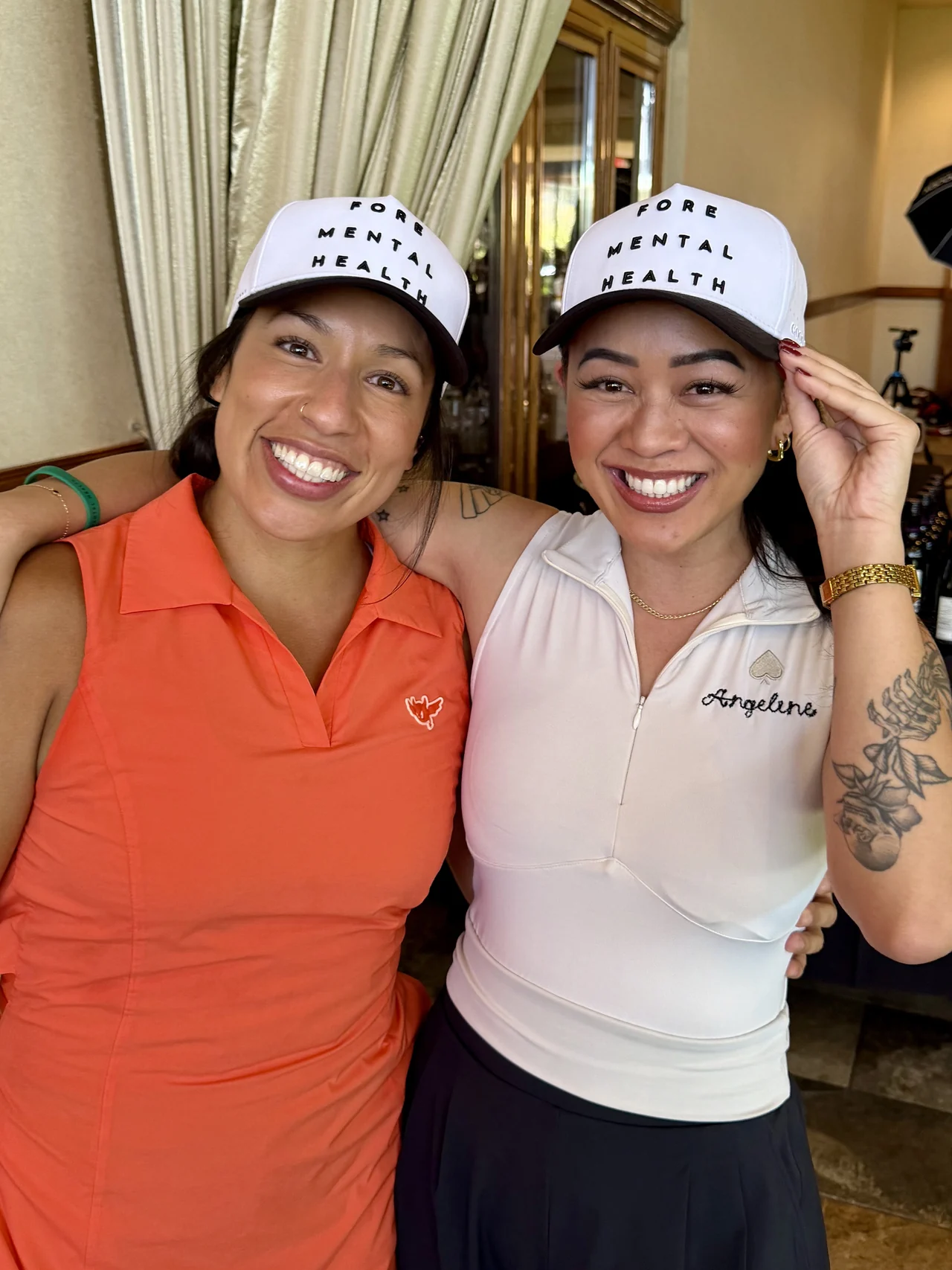
Most committees leave money on the table by running a basic golf day without the add-ons players expect and sponsors value. These ideas combine fun gameplay, smart sponsorship design and revenue opportunities at every hole. Not sure where your tournament stands today? The free Charity Golf Scaling Assessment (opens in a new tab) shows which phase you're in and what to fix first.
On-Course Games That Generate Revenue and Excitement
Longest drive contests work best on straightaway par 4s or par 5s. Set up separate markers for men and women, and place sponsor signage where groups gather. The golf course staff can mark drives with small flags or paint.
Closest-to-the-pin on par 3s requires minimal setup and creates natural sponsor visibility. Place signage at both the tee box, where players read it before they shoot, and at the green, where they walk past after putting.
Putting contests before or after the round let every skill level compete. Set up a challenging putt on the practice green with a leaderboard. Charge entry fees per attempt. Players can try multiple times, which works especially well during registration when they arrive early. Want it run for you? Our putting contest and air cannon are run by our team at charity events, so your volunteers don't have to.
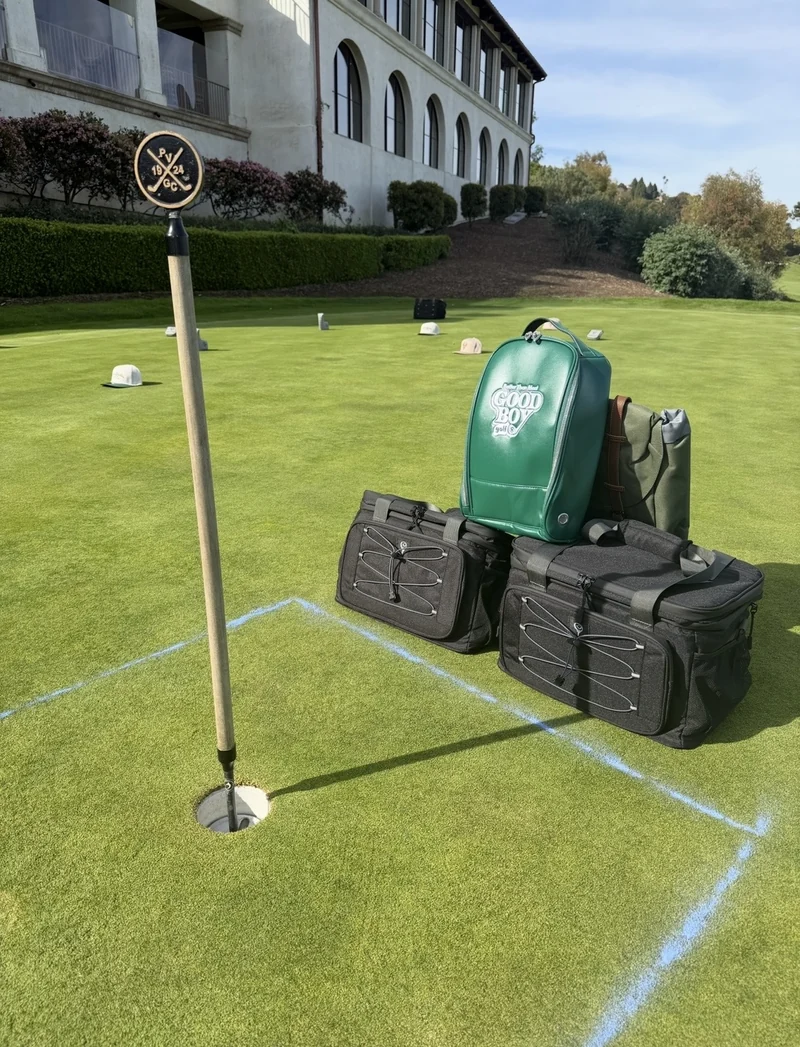
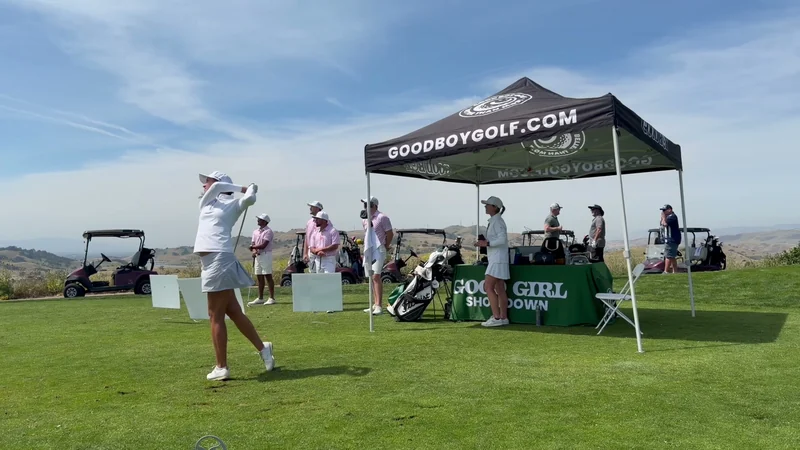
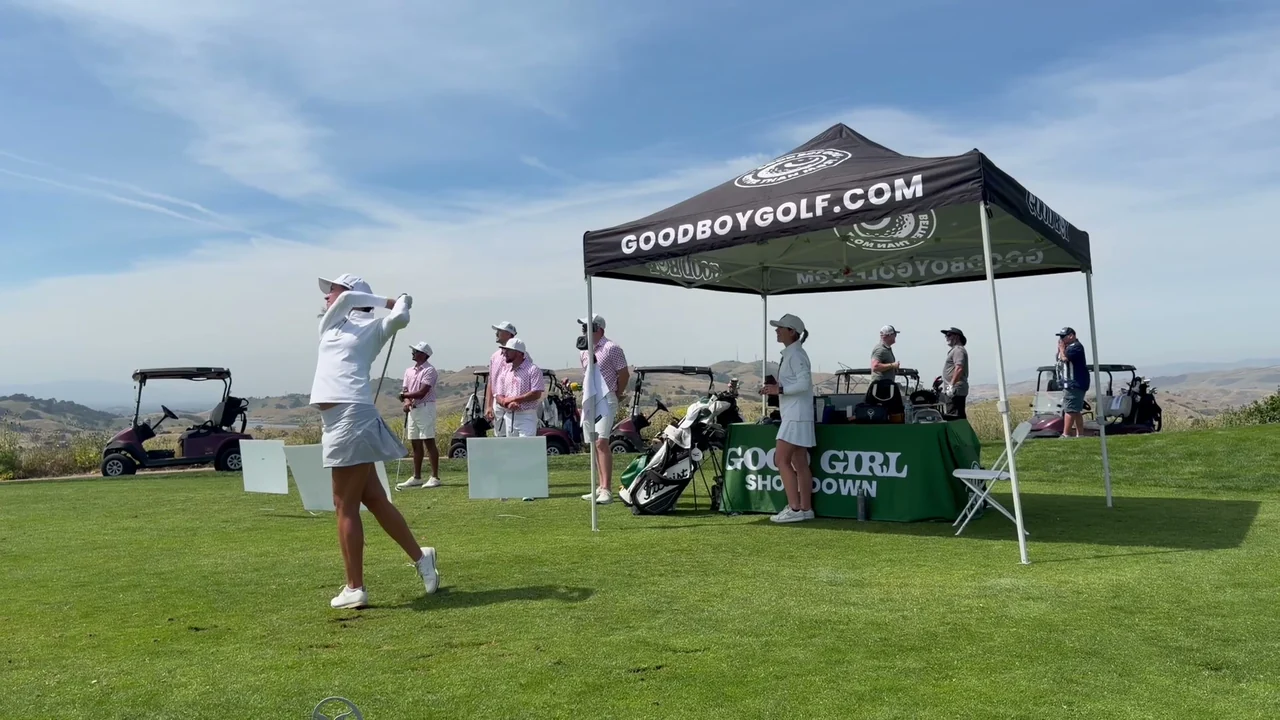
Beat-the-pro challenges generate quick cash and entertainment. Have the club professional tee off first on a par 3, then let players pay to try landing closer. Pure profit with minimal logistics. The Good Girl Showdown is our take on it, with a guaranteed gift for every player who donates, and it raises about $6,500 on average. See how it compares in Showdown vs. Beat the Pro.
Hole-in-one contests need insurance coverage if you offer high-value prizes. Smaller prizes work without insurance. Partner with a car dealership or local business that provides the prize in exchange for prominent signage.
Mystery hole games keep groups engaged late in the round. Pick one hole randomly after everyone tees off, announce it at the turn, and count that hole double for team scoring. Teams that were trailing suddenly have a chance to win.
Add-On Purchases That Boost Your Bottom Line
Mulligans sold in packs at registration bring in pure profit. They improve player experience without slowing pace because most groups already play casual rules. Better still, fold them into a premium upgrade: the VIP Package Playbook shows how to replace the mulligan package with a VIP package players want to buy.
Raffle tickets sold throughout the day work better than single drawings. Volunteers on beverage carts and at the turn can sell tickets. Display prizes prominently. Run drawings at multiple points during the post-round reception to keep people from leaving early.
Drink tickets for the beverage cart capture revenue from players who want more than what registration includes. Sell them at check-in. Pre-selling at registration moves faster and guarantees the income.
50/50 raffles require minimal effort and create excitement. Announce the growing pot size at registration, the turn and before the final drawing. Winners often donate part or all of their share back when you make it easy with a donation form ready.
String games add strategy without complicated rules. Sell each team a length of string. They can use it to move their ball closer to the hole by cutting off lengths equal to the distance moved. Teams run out quickly, forcing decisions about when to use it.
Auction items displayed prominently at registration and the turn get more bids than items hidden in a separate room. Use mobile bidding software so players can bid from the course without walking back to a bid sheet.
To see what all of these add up to, run your numbers through the free Fundraising Calculator: revenue, expenses and sponsorships in one place, with the projected net to charity against your goal.
Sponsorship Packages That Deliver Real Value
Hole sponsors get their biggest return when signs include logos, not just company names. Position signs to face groups as they approach. Pricing varies by market.
Beverage cart sponsorships put brands directly in front of every player multiple times. Cart drivers announce the sponsor by name when they greet each group. Add branded koozies or napkins for extra visibility.
Tee gift sponsors provide items players actually use during the round. Custom golf balls, tees or towels with co-branding work best. The sponsor often provides items at cost in exchange for visibility, reducing your expense.
Longest drive and closest-to-the-pin sponsors benefit from photo opportunities and social media tags. Take photos of winners with sponsor signage and tag the business when you post results.
Scoring sponsors get visibility every time a player checks the leaderboard. If you use live scoring software, their logo appears on the mobile app throughout the round. This works especially well for tech companies.
Matching gift sponsors who double certain fundraising elements create urgency. For example, a sponsor matches all mulligan sales dollar for dollar, or matches the 50/50 raffle pot. Announce the match at registration and during the round. Businesses like this approach because they can set a maximum match amount to control their investment.
The Charity Golf Sponsorship Playbook goes deeper: how to sell sponsor-owned experiences instead of tee signs, with talk tracks and email templates. And the Showdown Sponsorship Guide shows how to sell the Showdown as a premium presenting sponsorship.
Custom Gifting That Players Remember
Custom golf balls with your event logo and date become keepsakes. Players use them during the round or save them as mementos. Order premium balls like Titleist or Callaway.
Personalized tee gifts like divot tools, bag tags or ball markers feel more thoughtful than generic items. Add individual player names when your registration system captures them early.
Branded headcovers in your charity colors stand out in every golf bag. Driver or putter headcovers both work well. Players keep them for years, creating ongoing awareness.
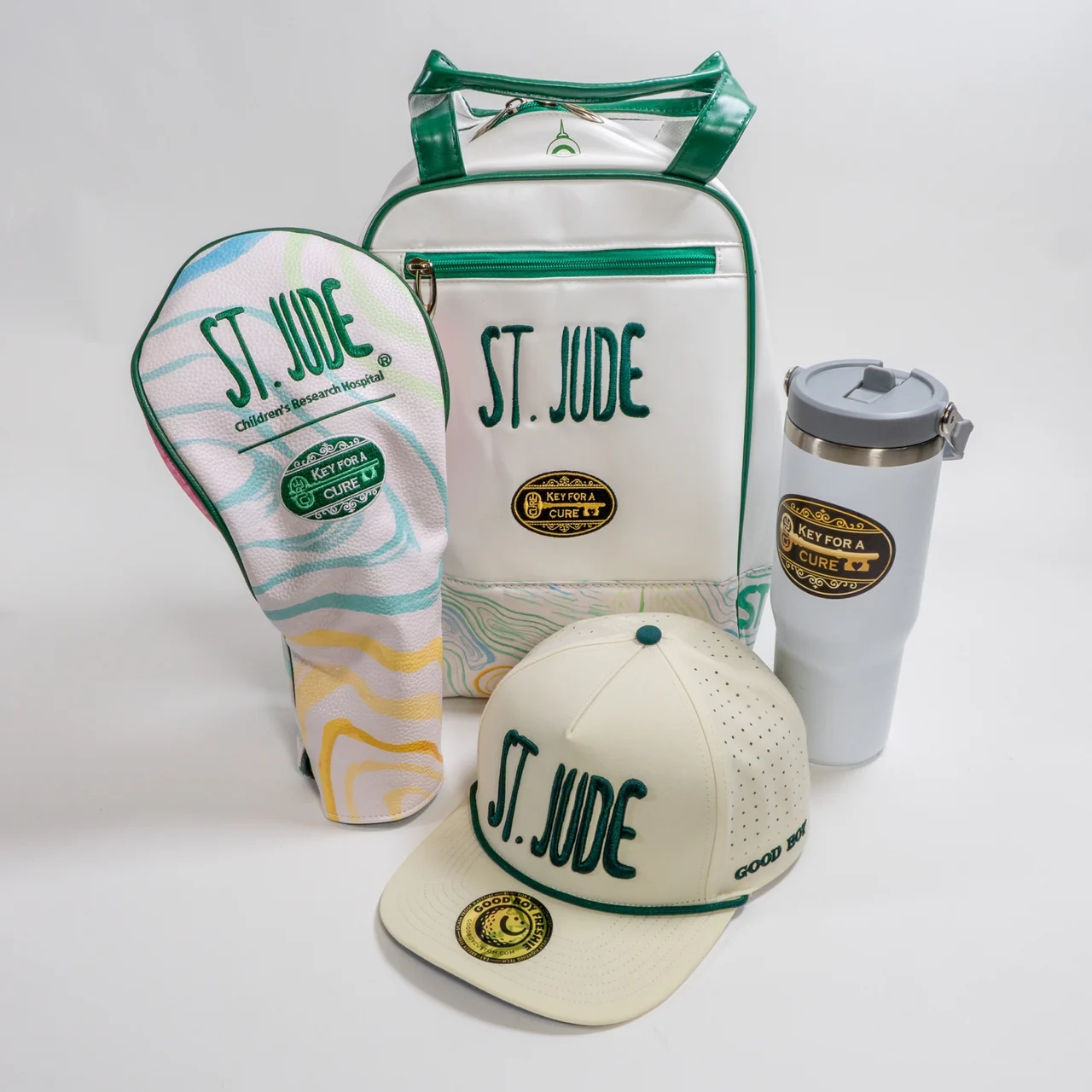
Performance gear like moisture-wicking shirts or quarter-zips gets worn regularly. Traditional polo shirts sit in closets. Performance fabrics work for workouts and casual wear, increasing the number of impressions your logo gets.
Practical items like rangefinder cases or towels see daily use. A good microfiber towel with a carabiner clip travels with players to every course.
Unique gifts tied to your mission create conversation starters. If you support environmental causes, use recycled materials. Custom pitch repair tools shaped like your logo or mascot combine function with brand recognition.
Start with the budget. The Player Gift Budget Calculator shows what your budget buys per player, and the Player Sizing Calculator tells you how many pieces to order in each size. Selling merchandise to supporters too? Good Boy Custom's guide to custom merchandise for nonprofits (opens in a new tab) covers fundraising merch, donor gifts and volunteer apparel. For ideas by price point, see Good Boy Custom's Charity Player Gifting Guide (opens in a new tab) and its gift packages, side by side (opens in a new tab), or how we handle player gifts for your event.
Format Variations That Increase Participation
Scramble format works best for charity events because all skill levels stay competitive. Each player hits, the team picks the best shot, and everyone plays from that spot. This format maintains good pace and ensures beginners don't slow down experienced players.
Two-person teams cost less per player to field than foursomes. Corporate sponsors can enter multiple teams without committing to full foursomes. This helps fill the field when you don't have a full roster ready.
Morning and afternoon waves let you accommodate more players when the course allows it. Run a shotgun start in the morning and another in the afternoon. This doubles your field size and your revenue. Hold one combined reception afterward.
Nine-hole options attract players who can't commit to a full day. Corporate teams can participate during extended lunch breaks. Price these entries appropriately, keeping in mind that your per-player costs stay nearly the same.
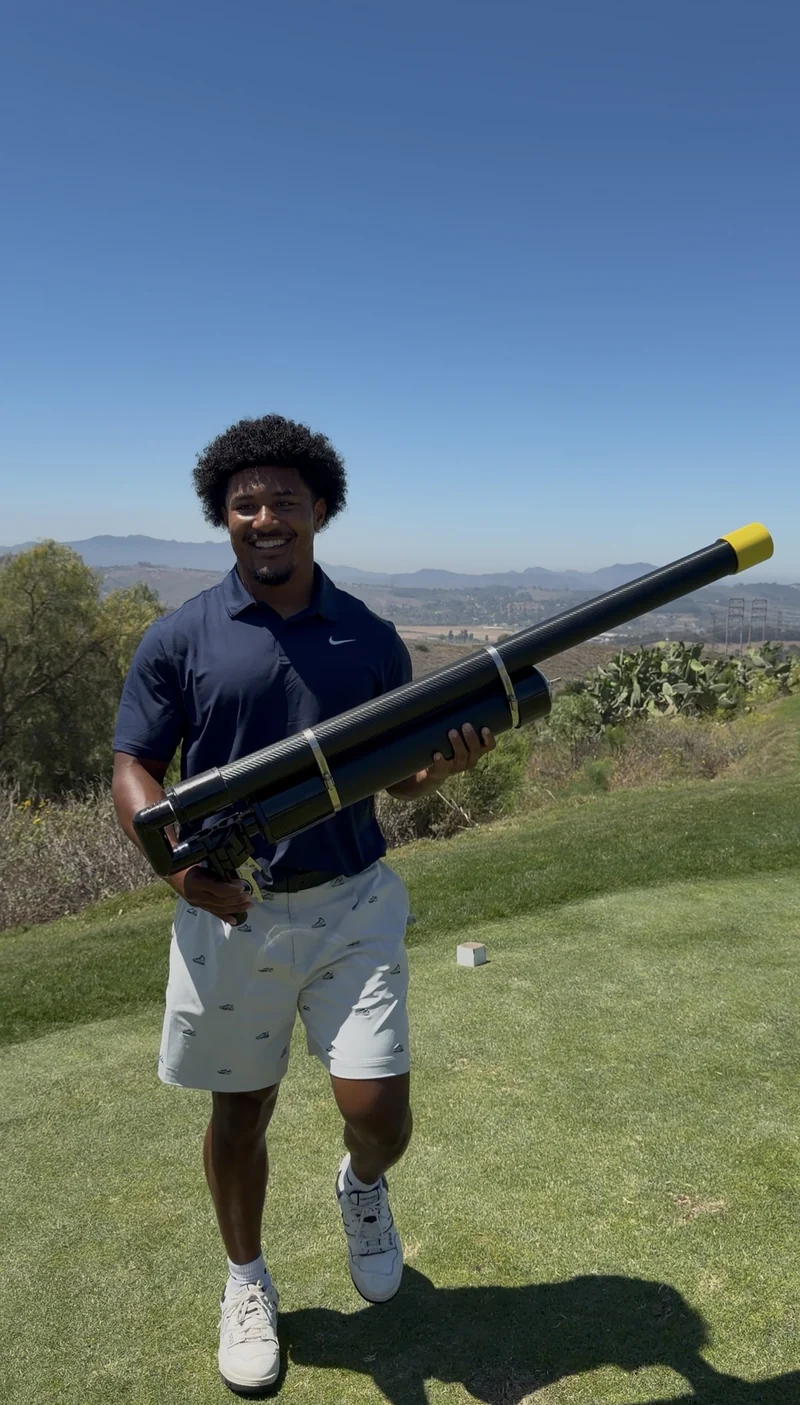
Skills challenges before the tournament let non-golfers participate. Set up longest putt contests, closest-to-the-pin from short distances or chipping challenges. Charge per attempt. Spouses and colleagues who don't play can still support the cause. An air cannon is another easy one: anyone can fire a ball at the green, golfer or not.
Family scrambles on par-3 courses create accessibility. A shorter event on a short course lets supporters bring kids and introduces new audiences to golf. Price these lower and focus on participation over fundraising.
Technology and Communication Tools That Streamline Your Event
Live leaderboards on mobile apps create competition throughout the day. Players check scores between holes and see how they stack up. Apps also let you push messages about auction deadlines or raffle drawings.
Digital silent auctions let bidders participate even if they skip the reception. They can bid from the course, from home or from work. Extend bidding until after the last group finishes to capture maximum participation.
Text-to-give campaigns during the round capture donations while players are engaged. Print a QR code or short text number on scorecards. Promote it at the turn and on signage throughout the course.
Photo stations at signature holes generate social content. Set up a backdrop with sponsor logos at a scenic spot. Provide props like oversized golf clubs or foam fingers. Players take photos and share them, extending your reach beyond attendees.
Post-round highlight videos help recruit next time. Capture short clips of groups playing, having fun at the turn and celebrating at the reception. Edit these into a short video and share it when you announce next year's date. If you'd rather not rely on volunteers' phones, Good Boy Productions films the day and delivers event video and photos that showcase your sponsors.
QR codes at each hole for sponsor information or additional donations require no app downloads. Players scan with their phone's camera and land on a webpage. Use these to share sponsor details, make donations or enter additional raffles.
Food and Beverage Elements That Enhance Experience
Turn snacks become sponsored experiences when you go beyond basic hot dogs. Set up a taco bar, sandwich station or local barbecue with branded signage. The food sponsor gets visibility and players get a meal that feels special.
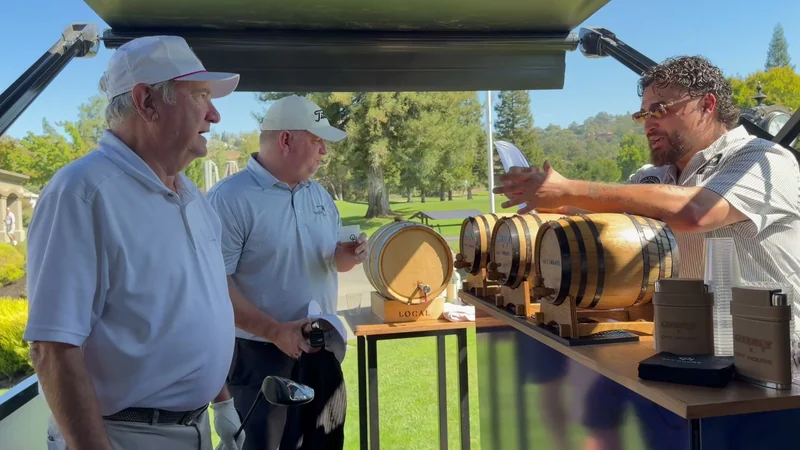
Signature cocktails named after your cause or honorees create memorable moments. Work with the course bar or your beverage sponsor to create one special drink. Players order it by name and share photos, generating social content.
Pre-round breakfast for early registrants adds value to premium packages. Offer a hot breakfast buffet for early arrivals. This encourages on-time arrivals and reduces check-in congestion.
Post-round receptions with plated meals feel more upscale than buffets. Sit-down service justifies higher registration fees and keeps attendees in their seats for the full program. You can present awards, announce auction winners and make impact presentations without people wandering off.
Local restaurant partnerships reduce costs while giving businesses exposure. Restaurants provide food at cost in exchange for prominent signage and mentions during announcements. They often send staff to serve, creating a branded activation that benefits both parties.
Awards presentations during dinner keep attendees around longer. Build in a cocktail hour, serve dinner, then present awards. This gives auction bidding time to heat up and ensures everyone hears your mission message.
Planning Details That Prevent Common Problems
Pace-of-play rules like maximum strokes per hole keep groups moving. Set a stroke limit or use a pick-up rule. Make this clear in pre-event communications and print it on scorecards.
Visible marshals on the course help with contest judging and remind groups to keep pace. Station volunteers at key spots: the longest drive hole, par-3 contests and the turn. Give them bright vests or shirts so they're easy to spot.
Clear parking and registration flow prevents bottlenecks. Use signs to direct people from the parking lot to check-in. Set up multiple registration tables organized by last name. Have golf carts ready to shuttle players and bags if the parking lot sits far from the first tee.
Weather contingency plans communicated in advance reduce day-of confusion. Decide your rain policy before registration opens. Will you postpone? Refund? Offer credit toward next year's event? Put this in writing on the registration page and in confirmation emails.
Post-event surveys sent within a few days capture feedback while it's fresh. Ask specific questions: What did you think of the pace of play? Did you understand how to take part in the fundraising add-ons? Would you attend next time?
Volunteer assignments that rotate keep helpers engaged all day. Stationing someone at one hole for hours drains energy. Have volunteers work registration, then move to contest monitoring, then help with reception setup.
For the full timeline, the free 6-Month Planning Guide walks you month by month to tournament day, and the Charity Golf Event Playbook breaks the whole event into six phases and 18 steps.
Plan Your Golf Event With Good Boy Golf
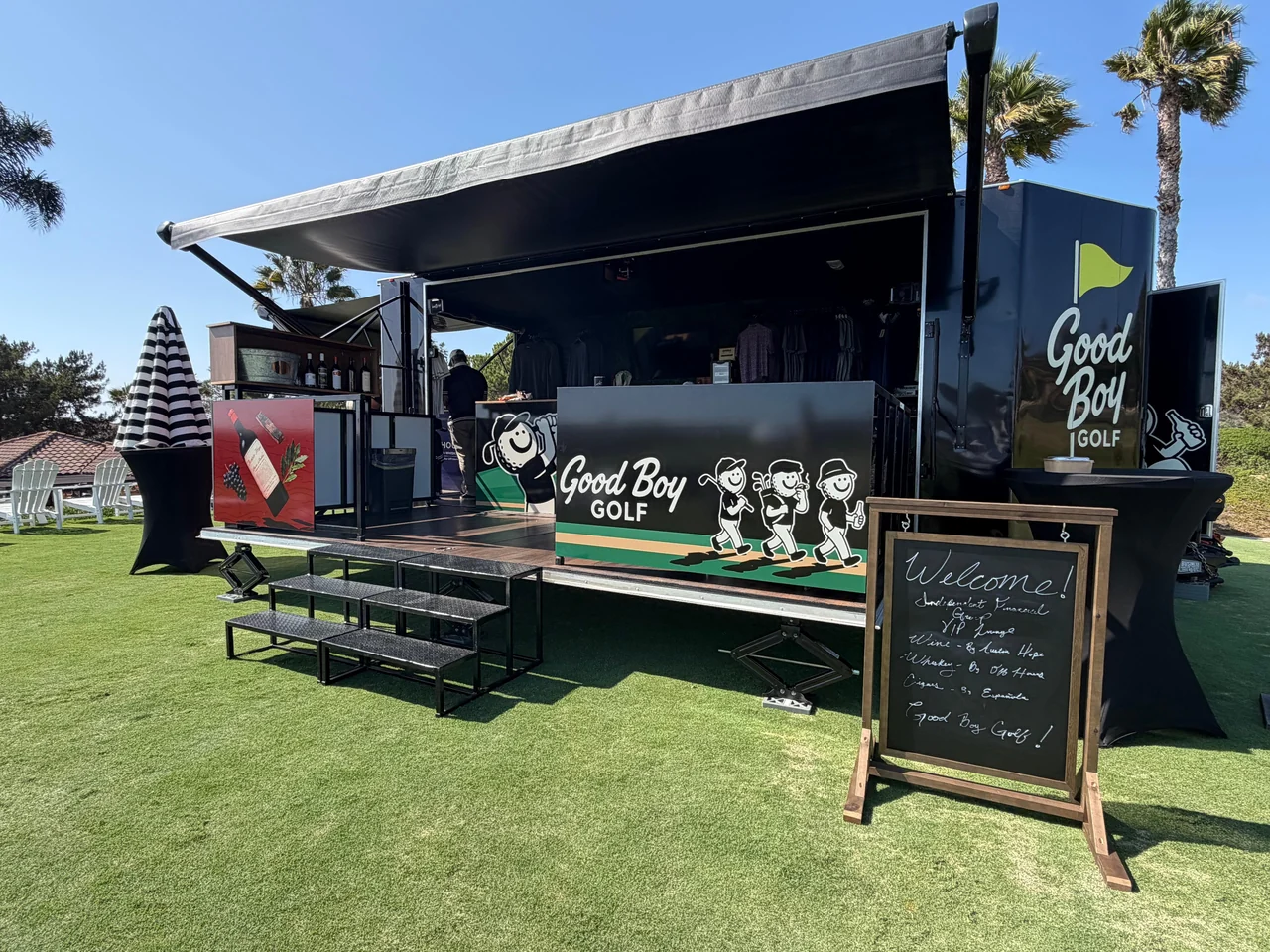
The right partner handles the entertainment and player experience details that committees don't have time to manage. Good Boy Golf brings the Players Lounge, our mobile clubhouse for check-in, gifting and hospitality, plus the Good Girl Showdown, contests, custom player gifts and event video, all as one coordinated delivery. See everything we do for charity golf, or browse every free planning tool on our resources page.