

Blog Sponsorships
SponsorshipsHow to Get Sponsors for a Golf Tournament: A System That Works
Sponsorship is where most golf tournaments make their money. Here's how to find the right businesses, build packages they want, and make the ask in a way that gets a yes.
Sponsorship is where most golf tournaments actually make money. Here's how to find the right businesses, build packages they want, and make the ask in a way that gets results.
Start With Your Natural Network, Not Cold Lists
Your board members, committee volunteers and past participants already know the businesses you should call first. Everyone involved with your event has relationships: employers, vendors, clients, favorite local spots. Map those connections before you build a single cold-outreach list.
Ask each committee member to suggest three businesses they have a personal connection to. A warm introduction often converts better than cold outreach. The dentist who always plays in your event? Their practice is a prospect. So is the real estate brokerage where your volunteer works, and the car dealership owned by a board member's college roommate.
Save cold outreach for later rounds. Warm leads should fill your first tier of sponsorships.
Target Businesses That Benefit From Golf Tournament Exposure
Local businesses that serve an affluent audience align naturally with golf events. Wealth advisors, real estate brokerages, car dealerships, law firms and medical practices all benefit from visibility with golfers who make purchasing decisions and refer others.
Companies already aligned with your cause are the easiest yes. They get mission connection plus marketing value in a single check. A foundation raising money for cancer research should talk to oncology practices, medical suppliers and health-focused businesses first.
Businesses that rely on relationships over transactional sales see golf sponsorship as client development, not advertising. Financial planners and insurance brokers are buying hours of face time with potential clients in a relaxed setting.
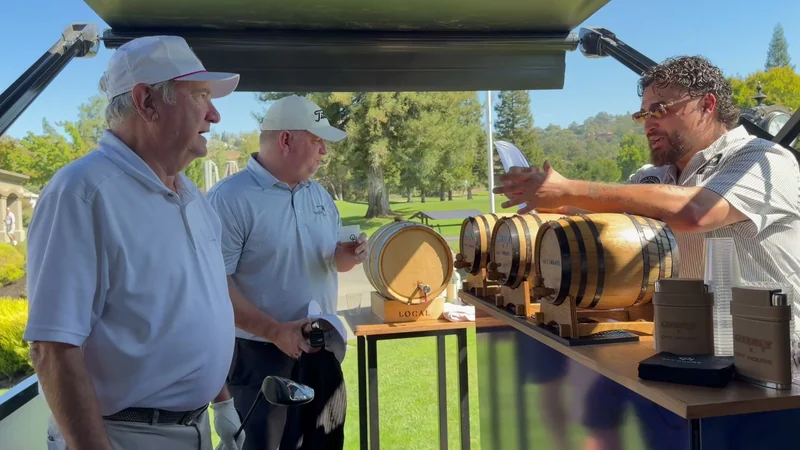
Restaurants, breweries and hospitality businesses benefit from direct sampling. A local brewery sponsoring the post-round reception gets its product in front of every golfer, who will remember where that beer came from.
Avoid businesses with no logical connection to golf, charity or your player demographic. The return is too hard to sell.
Build Sponsorship Packages That Solve a Business Problem
Lead with what the sponsor gets, not what you need: exposure to decision-makers, brand visibility all day, and association with a good cause. Your need is implied, not the headline.
Create three to five clear tiers with specific deliverables at each level, not vague promises of "recognition." Include tangible items sponsors can see: logo placement on scorecards, signage at a specific hole, mentions in event emails, a table at registration.
A presenting sponsor package might include the logo on all event collateral, prominent signage at registration and the first tee, a speaking opportunity at the awards ceremony, social media mentions in the weeks before the event, and a foursome. List it all.
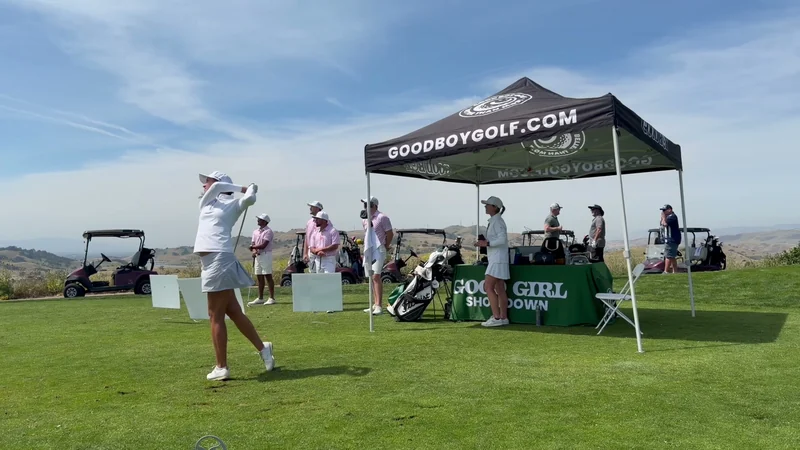
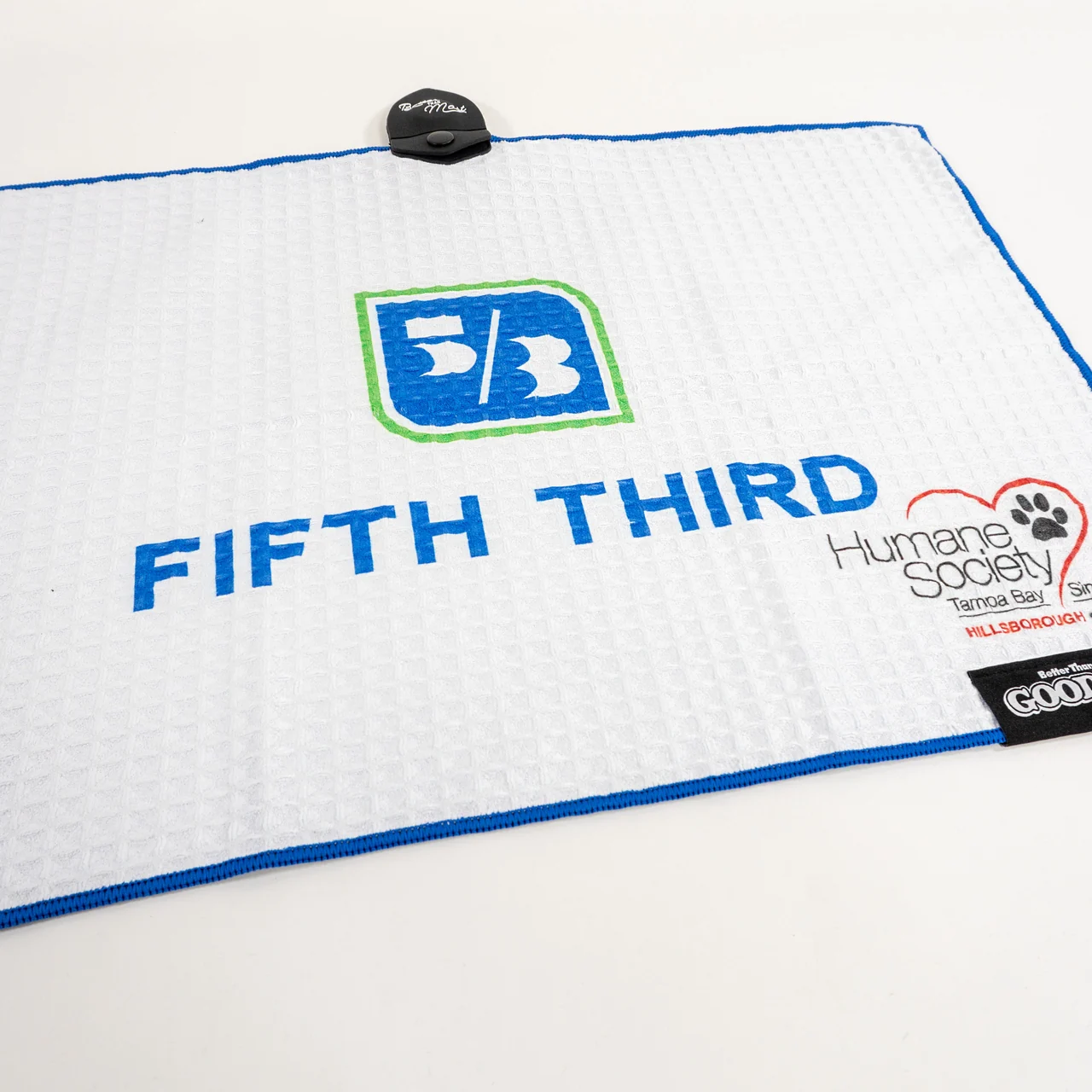
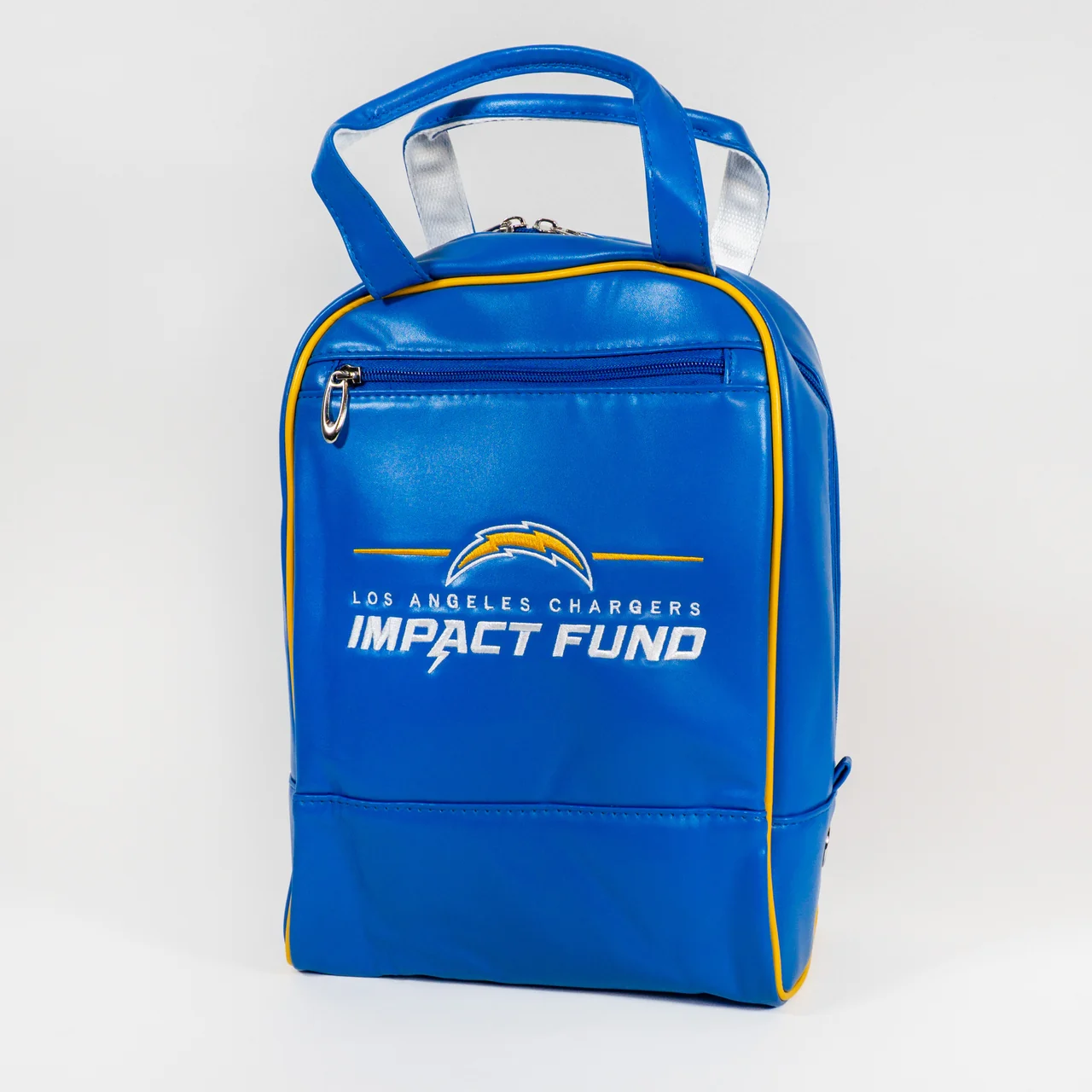
The strongest packages sell an experience the sponsor owns, not just a sign. A sponsor's logo on the gift every player takes home, or a presenting sponsorship of an on-course contest, puts the brand in players' hands and photos. The Good Girl Showdown is built to be sold this way, and the Showdown Sponsorship Guide shows how to pitch it as a premium presenting sponsorship.
Good Boy Custom's corporate golf gifts (opens in a new tab) guide covers the pieces companies are happy to put their name on.
Price your presenting or title sponsor high enough to feel exclusive but realistic for your market. That sets the ceiling for every other tier. Build a graduated structure where each tier down is a meaningful step down in investment and benefits.
Offer lower-cost entry points like hole sponsorships to bring in small businesses that can't afford premium tiers. Several smaller sponsors add up fast.
Price Sponsorships From What You Need to Raise
Calculate your total event cost, subtract expected player registration revenue, and the gap is what sponsorship must cover before you raise a dollar for your cause. For example: if the course, meal, prizes and logistics come to $15,000, and 100 players at $150 each bring in $15,000, registration covers your costs, and every sponsorship dollar after that goes to the mission.
Work backward from your goal. Structure tiers so a realistic number of sponsors can get you there, balancing top-tier pricing with enough mid-level and entry opportunities to reach the number. The free Fundraising Calculator puts revenue, expenses and sponsorships in one place and shows the projected net against your goal.
Hole sponsorship pricing varies by market and event size. Premium tiers should reflect the real value you deliver and the audience you give sponsors access to.
Don't underprice your top tier out of fear. Underpricing leaves money on the table and undervalues what you offer.
Make the Ask in Writing First, Then Follow Up With a Conversation
Send a concise sponsorship letter or email that explains the event, your cause and what you're asking for in the first two paragraphs. Don't bury the ask on page two.
Attach a one-page sponsor package overview with tier names, pricing and benefits in a scannable table: tier, price, what's included. No paragraphs. Just bullets.
Skip long mission statements in the first outreach. The decision-maker at a car dealership doesn't need 500 words about your nonprofit's history before they see the price. Lead with value, follow with mission.
Follow up within a week with a phone call or a visit. The letter opens the door, but the conversation closes the deal. Offer to tailor the package if needed. Flexibility often turns a maybe into a yes.
The Charity Golf Sponsorship Playbook includes talk tracks and email templates for exactly this step.
Give Sponsors Visibility Before, During and After the Event
Promote sponsors in every player communication leading up to the event: registration confirmations, reminder emails and the event website. A sponsor who sees their logo in several pre-event messages feels the value before the first tee time.
Place sponsor signage where it will be seen: the first tee, registration, the scoring area and anywhere players gather. A sign on a hole where nobody stops doesn't deliver value.
Take photos of sponsor signage and engaged golfers on the day, then send them to sponsors with a thank-you note. A picture of their banner at registration with golfers in the background is proof their investment worked. Good Boy Productions films the day and delivers event video and photos that showcase your sponsors, so you have that proof without asking a volunteer to play photographer.
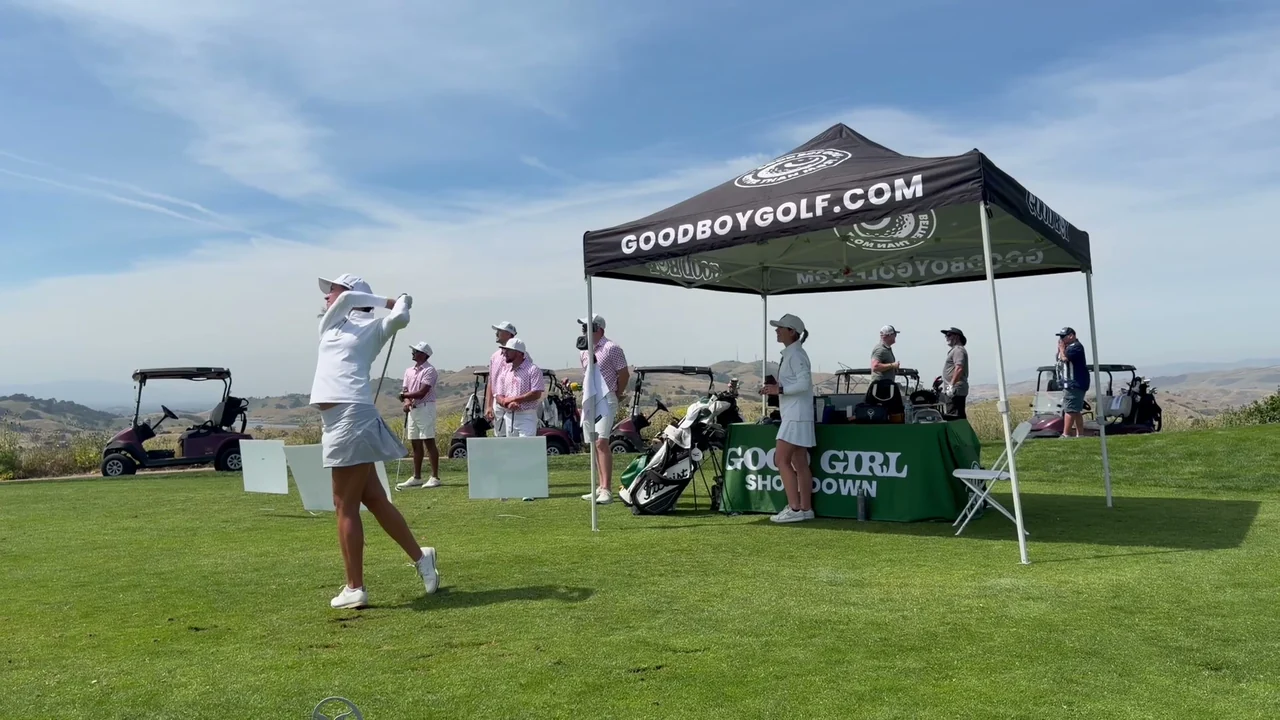
Share attendance, funds raised and mission impact in a post-event recap. A sentence that connects their check to a specific outcome makes renewal easy.
Start Your Outreach Months Ahead
Businesses plan charitable giving and marketing budgets months in advance, often in the prior calendar year. Reaching out a few weeks before your event means competing with last-minute asks and budgets that are already spent.
A longer lead time lets you have real conversations, build relationships and get on a sponsor's calendar even when this year's budget is committed.
Early outreach also signals that your event is organized and professional. A sponsor considering a significant commitment wants to know you have your act together.
If you're starting late this year, begin outreach for next year's tournament the week after this one ends. Sponsors are easiest to land right after they see the event succeed, or right before they lock in annual budgets. The free 6-Month Planning Guide shows where sponsorship sales fit in the full timeline.
Keep Sponsors Coming Back by Treating Them Like Partners
Check in with sponsors during the event to make sure they're happy and their signage is in place. Small fixes in the moment prevent frustration later.
Send a personal thank-you within a week, ideally from the event chair or executive director, not a template. A note that references something specific about their involvement makes a difference.
Share the stories and outcomes their sponsorship made possible. Connect their contribution to real impact, not vague appreciation.
Invite top sponsors to renew early for next year, at the same or a higher level, before you open general sales. Give them first right of refusal on their tier.
The effort you put into a sponsor after they've paid decides whether they come back. A sponsor who returns year after year is compounding value that costs you almost nothing to keep.
Give Your Sponsors More to Buy
Good Boy Golf brings the experiences sponsors want their names on: the Good Girl Showdown, the Players Lounge, custom player gifts and event video. See everything we do for charity golf, or browse the free planning tools on our resources page.